Hello, recently I was removing tires from my rim collection and was looking at beadlocks, An M-38/A1 wheel as well as a heavy duty Willys truck rim has beadlocks.
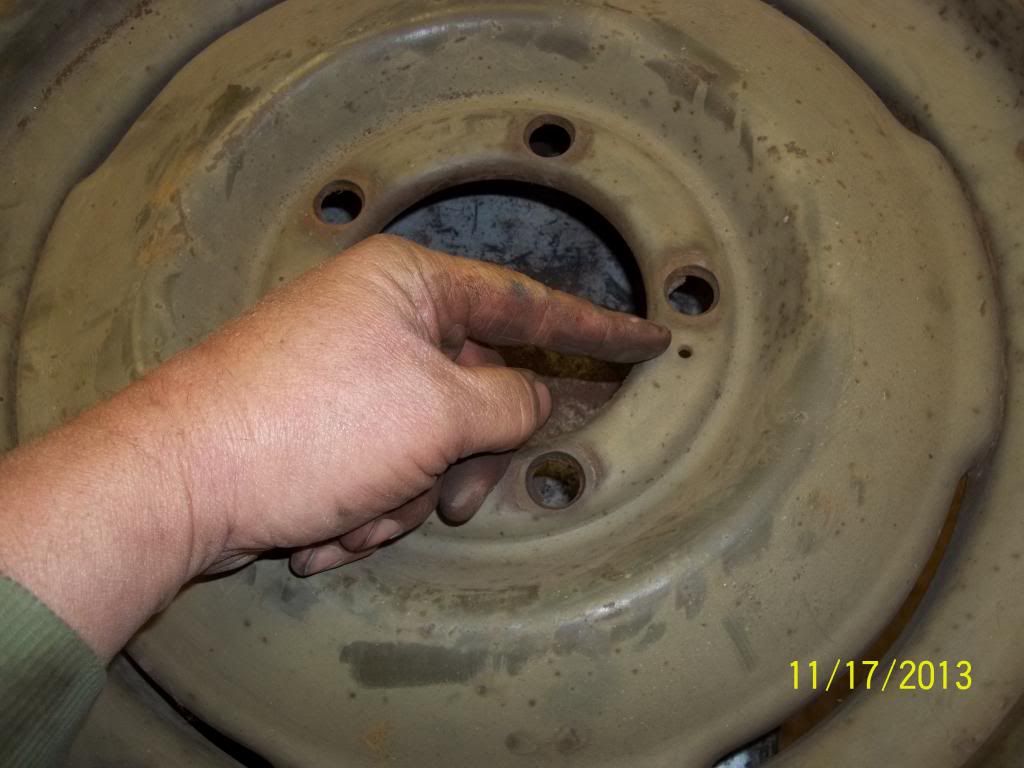
Here is an above mentioned wheel, notice the small hole by the wheel stud hole, this means it is a heavy duty truck rim or an M-38/M-38A1 wheel.
Now, "What is a Beadlock", here is a view of the bead area of the rim, the top rim has a beadlock, notice the small dip where the bead of the tire seats, the bottom rim is a standard 2A/3A rim, notice the same area is flat.
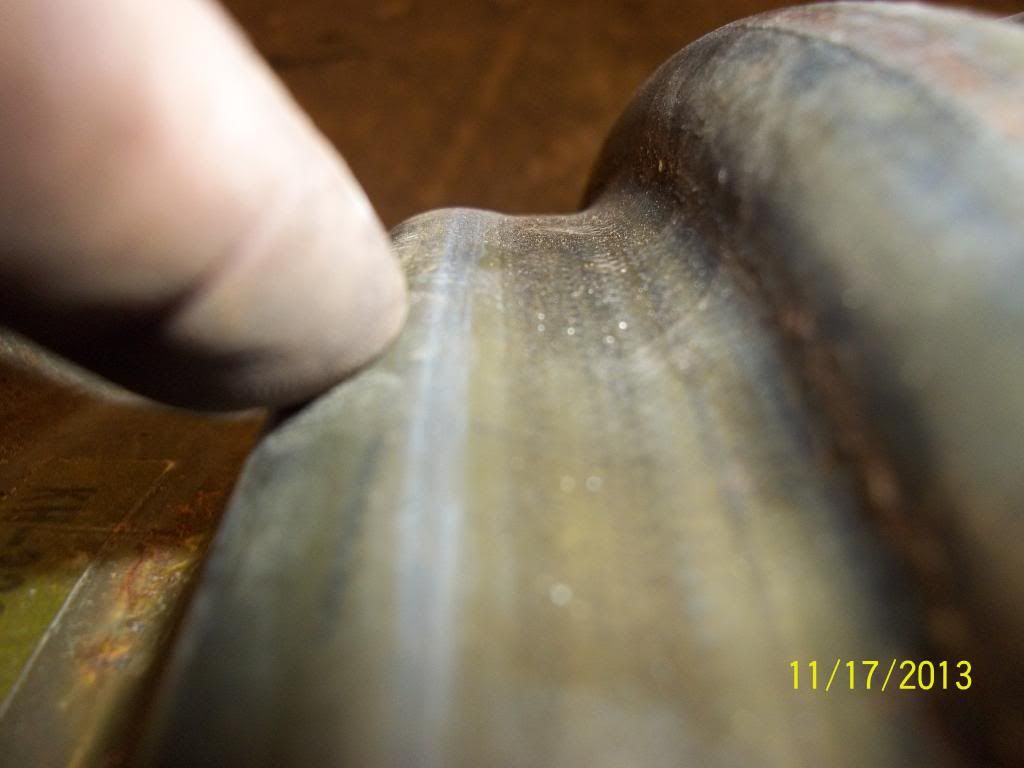
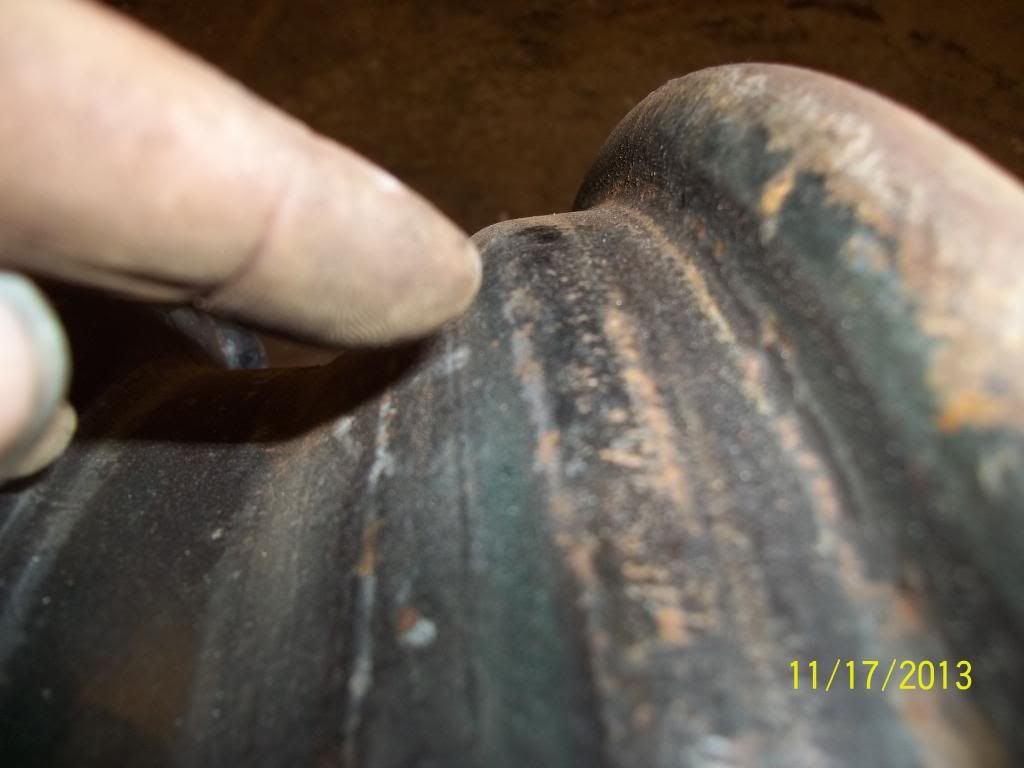
Now, If you have a rim with a beadlock, If it's 4 1/2 inches wide, it's an M-38 rim (top photo), If 5 inches wide, It's a Willys truck rim (bottom photo).


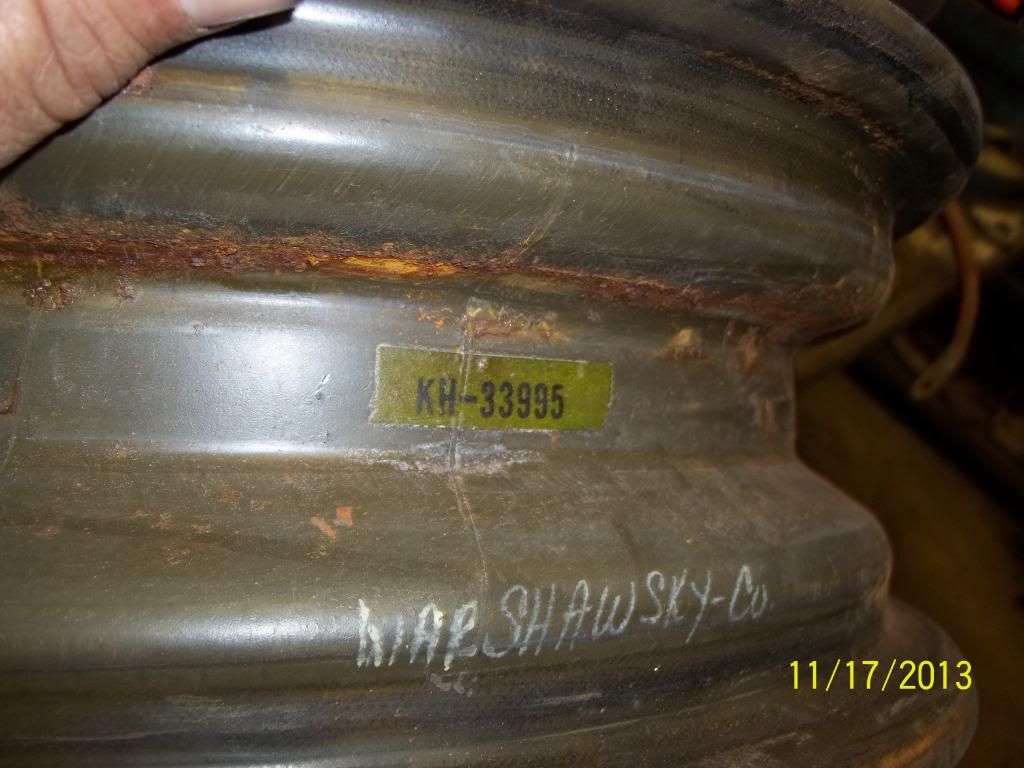
Here is a shot of one of my M-38 rims, still has the Kelsey-Hays p/n tag on it, very cool, also notice the "Warshawsky-Co." written with a paint marker below this, This company was located in Chicago IL, and was in the surplus auto parts business, most of us know it today as "JC Whitney".
You may be thinking, "So what's the purpose of the Beadlock",� Well� on a WW2 combat rim, they used a metal Flap, this flap had two purposes 1) it protected the inner tube from getting pinched as the rim was bolted together, 2) it forced the beads of the tire out, against the rim so it would run flat and not come off the tire in a combat situation. An M-38 rim is one piece, so this flap cannot be installed, so the purpose of the beadlock is to hold the bead of the tire on the rim and give it the ability to run flat, same for the truck rim, and I will tell you from experience the tires are much harder to dismount than a standard rim, so it does it's job.
Please correct me if I am wrong, Lee


